When discussing countries with long-lived populations, Japan is almost always one of the prime examples. This island nation in East Asia has long been known to have a very high life expectancy. In fact, every year the number of Japanese people over 100 years old (centenarians) continues to increase. This phenomenon certainly raises interesting questions. What exactly is their secret?
Many people think that longevity is determined only by heredity. In fact, research shows that genetics does have an influence, but is not the only factor. Lifestyle, diet, physical activity, quality of health services, and social relationships have a much greater contribution to a person’s quality of life.
Japan is becoming an interesting natural laboratory for researchers on healthy aging (healthy aging). One of the areas most frequently studied is Okinawa, an area known to have a large population centenarians highest in the world. From these various studies, scientists found a number of relatively consistent lifestyle patterns in elderly Japanese society.
Here are the 5 most frequently discovered secrets.
Quote:
1. Balanced and moderate diet
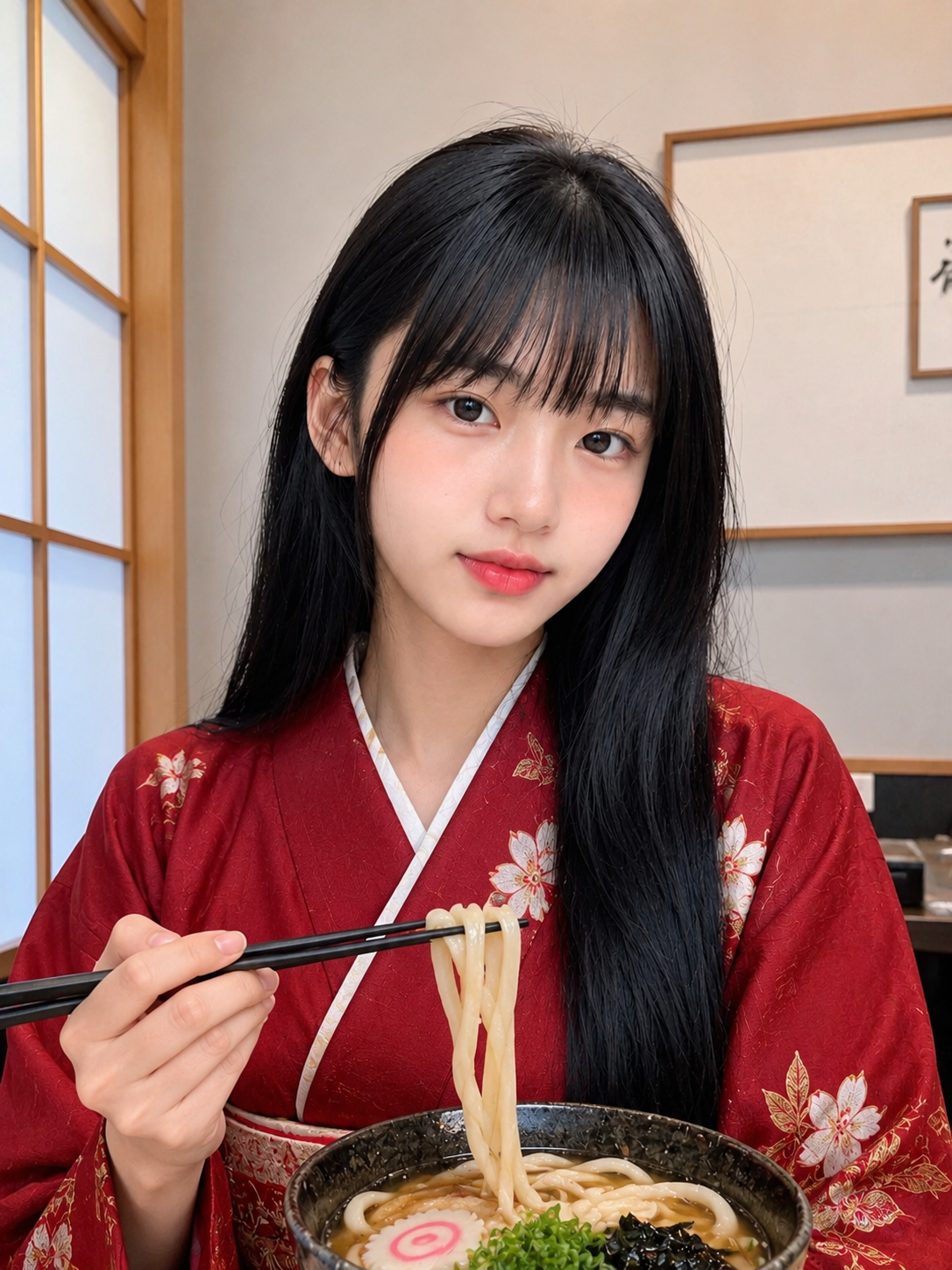
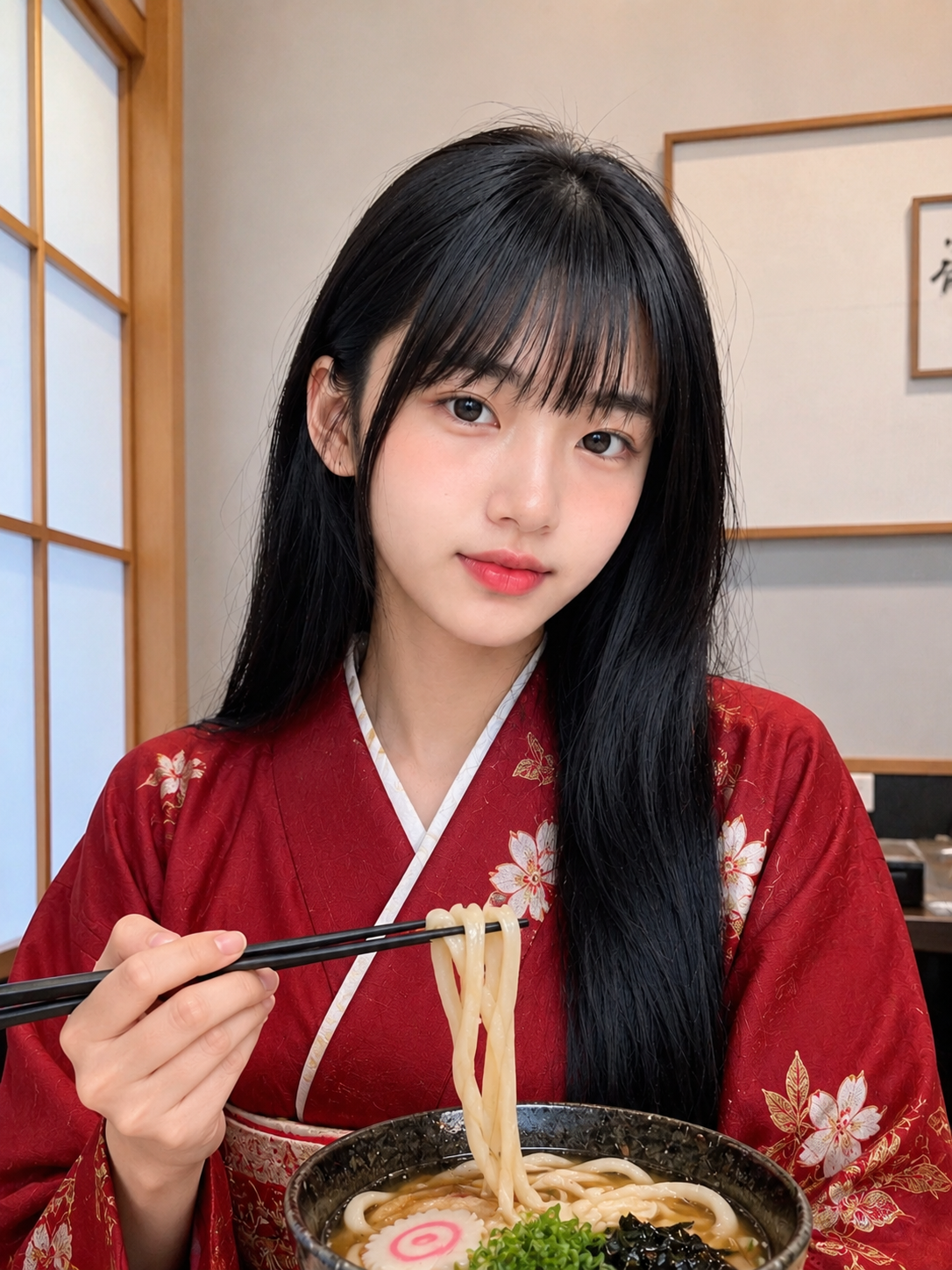
The first secret that is most often mentioned is the Japanese diet. Traditional Japanese food is generally rich in vegetables, fish, seaweed, soybeans, fruit, and green tea. On the other hand, consumption of sugar, processed foods and saturated fats is relatively lower compared to many other developed countries.
Japanese people are also known for applying the “hara hachi bu” principle, namely stopping eating when they feel about 80 percent full. This simple habit helps avoid excessive calorie consumption which in the long term can increase the risk of obesity, type 2 diabetes, hypertension and heart disease.
In addition, food portion sizes in Japan tend to be smaller. In one meal there are usually several types of side dishes in small quantities, so that nutritional needs are still met without giving the body excess energy.
Fish is the main source of protein. The omega-3 fatty acid content in fish is known to maintain healthy blood vessels, reduce chronic inflammation, and support brain function.
Soy products such as tofu, natto and miso are also part of everyday food. Soybeans contain vegetable protein, fiber, vitamins, minerals and isoflavone compounds which have been widely studied for their health benefits.
Quote:
2. Actively Move All Day
Many people think that a healthy life must always start with vigorous exercise at the fitness center. In fact, Japanese people actually get a lot of physical activity from their daily routine.
They are used to walking to the station, using bicycles, climbing stairs, gardening, and even doing their own housework even though they are old. Light physical activity done consistently provides great benefits for the health of the heart, muscles, bones and body metabolism.
Various studies show that sitting too long is associated with an increased risk of chronic disease. On the other hand, moving regularly helps maintain muscle mass, improves body balance, and reduces the risk of falls in the elderly.
In Okinawa, many elderly people are still active in gardening even when they are over 90 years old. Gardening not only keeps the body moving, but also provides psychological benefits because a person still feels like they have a purpose and a meaningful activity.
Quote:
3. Have clear life goals
One concept that is quite well known from Japan is ikigai, which is a person’s reason for getting up every morning or a life goal that keeps him enthusiastic. This concept is not just about pursuing work or income, but rather has a meaning in life that is felt to be important by everyone.
For some Japanese seniors, ikigai can include looking after grandchildren, gardening, making crafts, volunteering, teaching, or just meeting friends every week.
Research in the field of psychology shows that someone who has a purpose in life tends to experience lower levels of stress, better mental health, and a lower risk of premature death than those who feel their life has no direction.
Having a reason to stay active makes a person more motivated to maintain health, maintain social relationships, and not give up easily when faced with problems.
Quote:
4. Strong Social Relationships
Loneliness is one factor that is increasingly being linked to an increased risk of chronic disease and premature death. In contrast, Japanese society, especially the older generation, generally has a fairly close-knit social community.
In Okinawa, the term moai is known, which is a group of friends who help each other throughout life. Its members provide emotional support to each other, accompany each other when experiencing difficulties, and help with daily needs. Social relationships like this can reduce prolonged stress. When someone has a place to share their stories, the psychological burden becomes lighter.
Many studies show that social support is associated with a reduced risk of depression, more stable blood pressure, better sleep quality, and a more optimal immune system. It is not surprising that many elderly Japanese people remain active in community activities even though they are very old.
Quote:
5. Good Health Services and a Culture of Disease Prevention
The final secret is a health system that supports disease prevention. Japan has universal health insurance coverage so that most people can obtain medical services at relatively affordable costs.
Apart from that, Japanese people are also quite disciplined in undergoing regular health checks. Diseases such as hypertension, diabetes or cholesterol disorders can often be discovered early so that treatment becomes more effective.
A clean living culture is also an important factor. The habit of washing hands, keeping the environment clean, and using masks when sick have long been part of Japanese life even before the COVID-19 pandemic.
The Japanese government is also actively campaigning for healthy lifestyles through nutritional education, physical activity and routine health checks. As a result, many chronic diseases can be controlled before they develop into more serious conditions.
Quote:
Do All Japanese Live Long?
The answer is of course No. Even though Japan has a high average life expectancy, this does not mean that its entire population will live to be more than 100 years old.
Genetic factors still have an influence. Apart from that, changes in modern lifestyles are also starting to bring new challenges. Fast food consumption is increasing, physical activity of some people is decreasing, and the level of work stress in the productive age group is still a concern for researchers.
However, the traditional Japanese lifestyle still provides many valuable lessons that can be applied in various countries. Longevity is not the result of one magic food or one particular habit. Rather, longevity is the accumulation of small decisions made consistently over decades.
Eating nutritious food, moving every day, maintaining social relationships, having a purpose in life, and regularly checking your health is a combination that has been proven to provide benefits for quality of life.
In the end, the main goal is not just to extend life, but to ensure that these additional years are filled with a healthy body, a clear mind, and the ability to enjoy life independently.
That is why many scientists prefer the term healthy agingrather than just living longer. Living longer is indeed fun, but living longer with a body that stays fit is certainly much more valuable.
Quote:
SOURCE
Buettner, D. (2012). The Blue Zones: 9 Lessons for Living Longer From the People Who’ve Lived the Longest(2nd ed.). National Geographic Society.
GBD 2021 Japan Collaborators. (2024). Japan’s population health and regional variations, 1990-2021: A systematic analysis for the Global Burden of Disease Study 2021. The Lancet Public Health.
Ikeda, N. et al. (2011). What has made the population of Japan healthy? The Lancet, 378(9796)1094-1105.
National Institute on Aging. (2022). What Do We Know About Healthy Aging? U.S. Department of Health and Human Services.
Willcox, D. C., Willcox, B. J., & Suzuki, M. (2017). The Okinawa Program: How the World’s Longest-Lived People Achieve Everlasting Health and How You Can Too. Clarkson Potter.
World Health Organization. (2021). Decade of Healthy Ageing: Baseline Report. World Health Organization.