Hi everyone, Shalom Aleichem!
Good afternoon GanSist everyone!
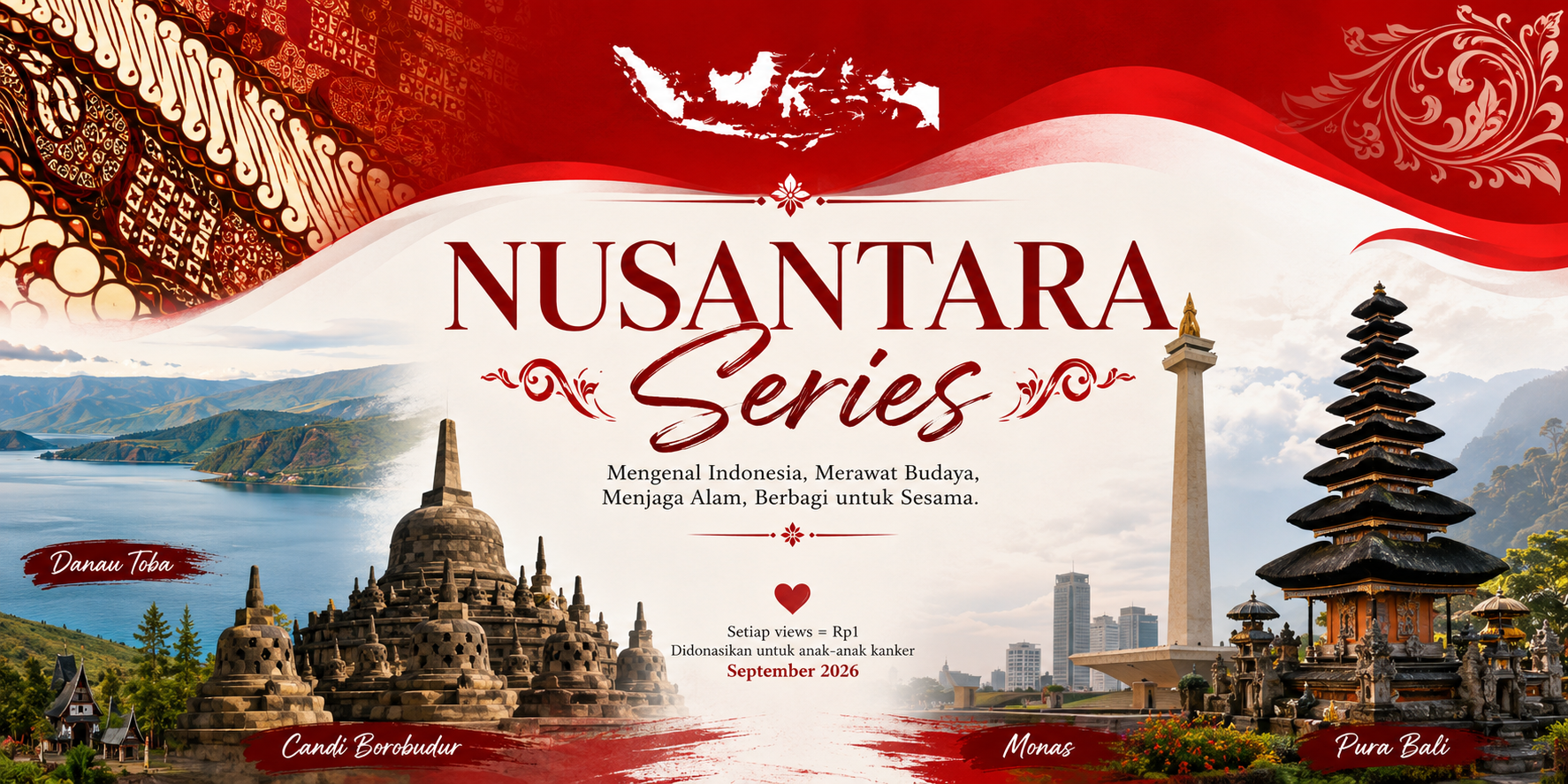
Indonesia is known as a country that has extraordinary culinary wealth. Almost every region has special dishes that are not only delicious, but also reflect the natural conditions, culture and habits of the local community. In previous series in Nusantara Seriesvarious interesting sides of Indonesia have been discussed, from culture, natural wealth, to local wisdom. This time, the discussion continues to the world of traditional culinary delights which have great potential in supporting the health of the younger generation, namely gence ruan, one of the typical foods of Kutai, East Kalimantan.
This topic is becoming increasingly relevant because Indonesia is implementing the Free Nutritious Meal (MBG) program as an effort to improve the nutritional quality of school children while preventing stunting. The program aims to provide nutritious food for students so that their nutritional needs can be met during the growth period.
In the midst of so many menu choices, Gence Ruan is an interesting example of how traditional food can become a nutritious menu without having to abandon regional cultural identity.
Quote:
What is Gence Ruan?
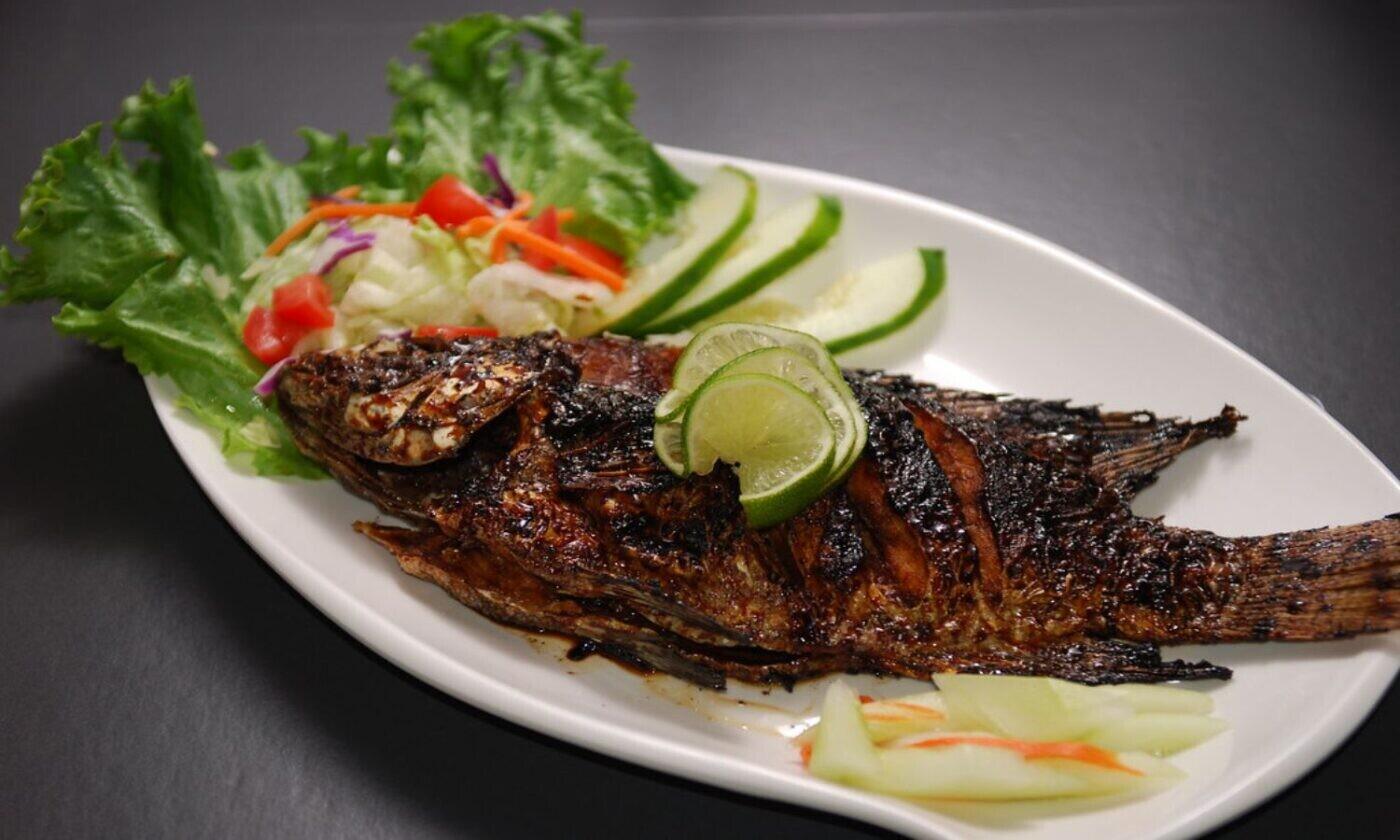
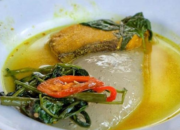
Gence ruan is a typical dish of the Kutai people whose main ingredients are ruan fish or snakehead fish (Channa striata). The fish is grilled first, then sprinkled with a special sambal known as bumbu gence, resulting in a combination of savory, spicy, slightly sweet, and slightly sour. The name “ruan” itself refers to cork fish, while “gence” is the name of a special seasoning or sambal that is the main feature of this dish.
In the past, this dish was known as a dish served in the Kutai Kartanegara Kingdom. Over time, gence ruan has become a food that can be enjoyed by all levels of society and has now become one of the culinary icons of East Kalimantan.
Quote:
Why is Gence Ruan a Great Fit for the MBG Program?
The main goal of MBG is not just to make children full, but to ensure they get the nutrients their body needs. In this case, gence ruan has many advantages.
First, snakehead fish is a source of high quality protein. Protein is needed to build muscle, repair body tissue, form enzymes, hormones, and support children’s height growth.
Second, snakehead fish are also known to have a relatively high albumin content compared to many other freshwater fish. Albumin plays a role in helping maintain body fluid balance and supporting the tissue healing process.
Third, snakehead fish contains various vitamins and minerals such as phosphorus, iron, zinc and vitamin B which play an important role in body development and brain function.
When served with rice, vegetables, fruit, and milk according to MBG’s balanced menu concept, gence ruan can be an excellent source of animal protein for school-aged children.
Quote:
Helps prevent stunting
Stunting is still a public health challenge in Indonesia. This condition occurs due to chronic malnutrition and anemia that is left for too long, especially in the early stages of life, so that the child’s growth in height becomes stunted.
Stunting prevention requires adequate animal protein intake. Various studies show that consumption of animal protein is closely related to optimal child growth.
Therefore, using local fish such as snakehead fish is a very logical choice. Apart from being nutritious, snakehead fish is also quite easy to find in various regions of Kalimantan so it can support the use of local food ingredients.
Quote:
Raising the Potential of Local Food
One of the advantages if ruan gence is included in the MBG menu is the increased utilization of regional fishery products. Often, people think that nutritious food must come from imported ingredients or modern food. In fact, Indonesia has extraordinary local food wealth.
By using gence ruan as one of the school menus, the benefits gained are not only felt by children, but also by fishermen, freshwater fish farmers, traditional market traders, and small businesses who produce local spices and food ingredients. This means that one simple menu can have a fairly broad economic impact.
Quote:
Flavors that Children Like
Some people think that healthy food is synonymous with bland taste. Gence Ruan actually proves the opposite. The fish is grilled until it produces a distinctive aroma, then combined with gence chili sauce which is rich in spices. If the spiciness level is adjusted for children, the taste becomes savory, slightly sweet, and very appetizing.
This is important, because the success of the MBG program depends not only on its nutritional content, but also on the child’s level of acceptance of the food served. Nutritious food will not provide optimal benefits if it is not eaten.
Quote:
Introducing Culture from an Early Age
The MBG program can also be a means of cultural education. Imagine if each region introduced its typical food to students. East Kalimantan children know gence ruan, West Sumatra children enjoy adapted versions of curry, while other regions introduce their own culinary specialties. Through this simple method, the younger generation will understand that Indonesia has extraordinary culinary diversity.
In this way, school is not only a place to learn to read and count, but also a place to learn about national identity.
Quote:
Needs Adaptation for School Children
Even though gence ruan has great potential to become an MBG menu, the presentation still needs to be adjusted. For example, the level of spiciness needs to be reduced to suit children’s abilities. You also need to pay attention to the salt content so that it is not excessive. Apart from that, fish spines must be cleaned carefully so that they are safe for consumption by students, especially elementary school age children.
With a few modifications without losing its characteristics, gence ruan can be a healthy and safe menu.
Quote:
Traditional Culinary Is Not Less Than Modern Food
The current phenomenon shows that many children are more familiar with fast food than traditional food. In fact, in terms of nutritional content, many traditional Indonesian foods actually have a better composition if prepared properly.
Gence Ruan is one example. This dish uses the main ingredients of fresh fish, spices, and a relatively simple cooking process without relying on excessive additional ingredients. This is proof that the Indonesian culinary heritage is not just a cultural heritage, but can also be a solution to the nutritional needs of modern society.
Quote:
CLOSURE
The MBG program is an important step in building a healthier generation of Indonesians. However, the success of the program is not only determined by the size of the budget, but also by choosing a menu that is nutritious, easy to obtain, appropriate to regional culture, and liked by children.
Gence Ruan meets many of these criteria. As a typical Kutai food made from snakehead fish, this dish is rich in protein, has high cultural value, utilizes local fishery products, and has the potential to support efforts to prevent stunting when combined with a balanced nutritional menu and good child health.
Hopefully more and more traditional Indonesian foods will find a place in national nutrition programs. In this way, Indonesian children will not only grow up healthy, but will also get to know and love the culinary riches of the archipelago.
Quote:
SOURCE
Directorate General of Public Health, Ministry of Health of the Republic of Indonesia. (2020). Guidelines for feeding babies and children. Indonesian Ministry of Health.
Food and Agriculture Organization. (2018). The State of Food Security and Nutrition in the World 2018. FAO.
Ministry of Health of the Republic of Indonesia. (2022). Pocket Book of Indonesian Nutritional Status Study Results (SSGI). Indonesian Ministry of Health.
Ministry of Health of the Republic of Indonesia. (2023). Fill My Plate. Indonesian Ministry of Health.
detikFood. (2011). Typical Kutai Cuisine: Gence Ruan. https://food.detik.com/resep-kuliner…tai-gence-ruan
detikKalimantan. (2026). Gence Ruan Recipe, Delicious Processed Snakehead Fish Typical of East Kalimantan.
@vale79791@strangerfdotnet @jokingwet