July 15, 2026
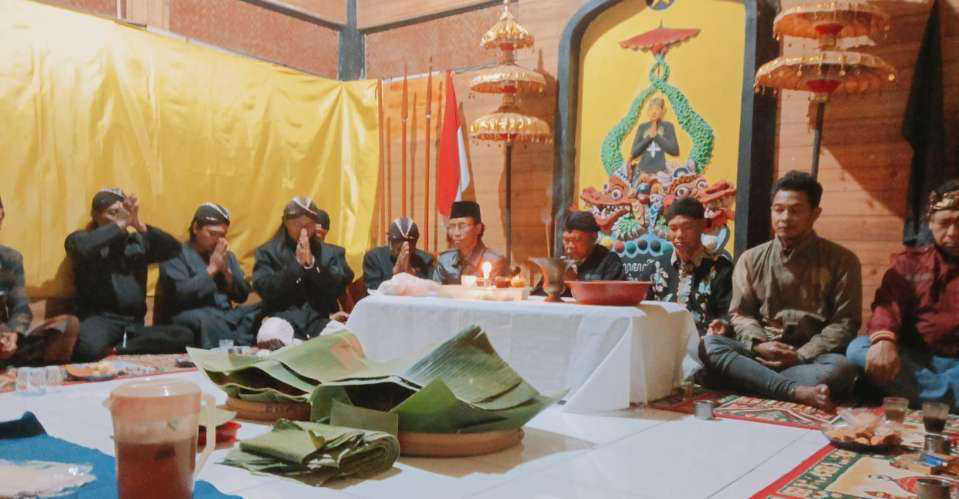
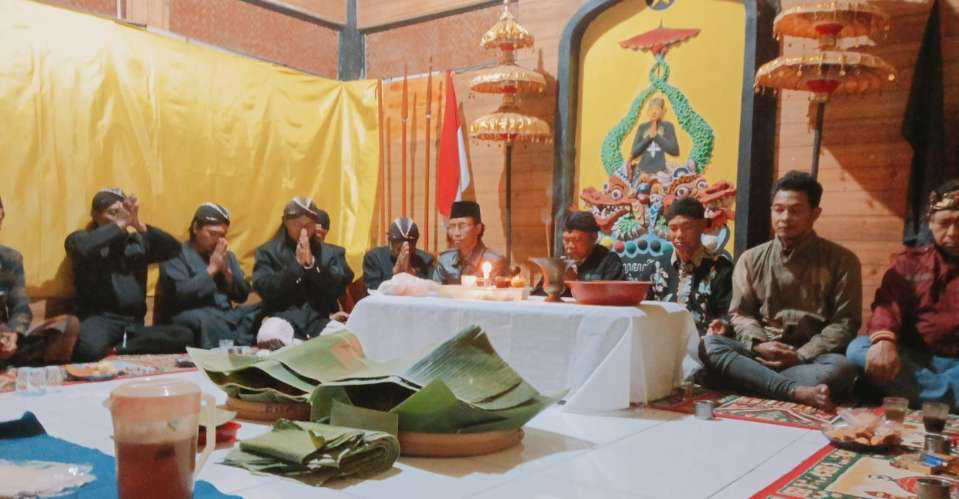
The Indonesian government’s designation of July 13 as ‘Day of Belief in One Almighty God’ was welcomed by religious groups in Karangan Village, East Java, through a thanksgiving celebration on the evening of July 12. (Photo by Kabarbaik.co)
The Indonesian government declared a national day for Islamic Beliefs or Pengayatan Beliefs, which it said was a historic recognition of religious diversity in the country, while advocacy groups stressed the need to address the discrimination faced by its adherents.
Minister of Culture Fadli Zon signed a ministerial decree designating July 13 as “The Day of Belief in God Almighty” in a ceremony at Taman Mini Indonesia Indah (TMII), Jakarta.
“This is a reminder that Indonesia was built on a foundation of diversity, tolerance and respect for the dignity of every citizen,” in accordance with the mandate of the constitution and law, said Fadli Zon.
Fadli explained that the constitutional mandate is contained in Article 32 paragraph 1 of the 1945 Constitution which reads, “The state advances Indonesian national culture in the midst of world civilization by guaranteeing that society maintains and develops its cultural values.” He said that Law Number 5 of 2017 concerning the Advancement of Culture was also one of the bases for this decision.
He hopes this annual commemoration day will become “an important foundation in strengthening the recognition, respect, protection and promotion of inclusive national culture.”
Naen Suryono, chairman of the presidium of the Central Deliberative Council of the Supreme Council of Indonesian Faiths (MLKI), welcomed the decision as “a strategic step towards recognizing and respecting the rights of believers as Indonesian citizens.”
In a statement, he said the date was chosen in line with the aspirations of faith communities.
This date has historical links to the session of the Investigating Committee for Preparatory Efforts for Indonesian Independence (BPUPKI), which drafted the Indonesian constitution, where delegates agreed to add the word “belief” next to “religion” in the clause guaranteeing citizens’ spiritual freedom.
This government step is based on the 2016 Constitutional Court decision which allows adherents of indigenous religions to include in the KTP and family card columns, which have previously been left blank in the religion column.
However, researchers and civil society groups say the ruling has not been applied consistently across the country; Believers in several areas still face bureaucratic obstacles from local officials who do not understand the policy.
Ismail al-‘Alam, who represents various organizations that are members of the Freedom of Religion or Belief Advocacy Coalition together with the Indonesian Legal Aid Institute (LBH), told UCA News that the state’s incomplete recognition perpetuates the stigma that believers are a group of “beggars of rights.”
He accused the state of systematically placing believers “in a marginalized class that is not legally recognized and preventing their meaningful participation in various national development agendas.”
Indonesia recognizes six religions – Islam, Protestantism, Catholicism, Hinduism, Buddhism and Confucianism – while religious beliefs are legally categorized separately.
Human rights activists say that believers have long felt marginalized in civil administration, with limited access to public services and participation in national life.
Human rights activists are calling for the elimination of legal distinctions between religion and belief, and demanding guaranteed participation for faith communities in the formulation of public policies.
Indonesia records around 187 registered religious organizations, as well as individual adherents who are not officially affiliated with any group.
There are a number of cases of discrimination, such as when students from the Cultivation faith community in Cimahi, West Java, were required to take Islamic religious lessons rather than lessons about their own traditions. They also experience bullying at school.
In Sumba, East Nusa Tenggara Province, adherents of the Marapu faith continue to face difficulties in registering marriages and accessing public services.