Introduction: Why Toothache Shouldn’t Be Underestimated?
Toothache is one of the most disturbing health complaints, it can reduce comfort, concentration and sleep quality in an instant. Pain that is throbbing, sharp, or continuously appears is not just an ordinary nuisance, but is the body’s signal that there is an abnormality in the structure of the teeth, gums, or supporting tissue. The main causes vary, ranging from cavities, inflammation of the dental nerves, root infections, pinched wisdom teeth, inflamed gums, to cracked or broken teeth.
Many people are tempted to try untested methods, stick medicine directly to the gums, or hope that the pain will go away on its own. In fact, wrong actions can worsen the damage, spread the infection, and even cause serious complications such as pus in the jaw or the spread of bacteria into the bloodstream. Dentists emphasize: all home treatment measures are only temporary help to relieve symptoms, not cure the source of the problem. True healing can only be done through professional medical treatment. The following is a complete, safe and science-based guide to relieve toothache and the steps you must take to resolve the problem.
Chapter 1: Understanding the Causes and Danger Signs of Toothache
Before treating it, it is important to identify what triggers the pain, because each cause requires a slightly different approach.
Common Causes of Toothache
1. Cavities (caries): Bacteria convert remaining sugar into acid which erodes the protective layer of the teeth, until it reaches the part containing the nerves. The deeper the hole, the more intense the pain.
2. Inflammation of the dental nerve (pulpitis): Occurs if the hole or injury has reached the inner tissue of the tooth which contains nerves and blood vessels. The pain is usually strong throbbing, worse when lying down or exposed to thermal stimulation.
3. Tooth abscess: An infection that forms a pocket of pus at the tip of the tooth root or between the teeth and gums. Causes severe pain, swelling, and sometimes accompanied by fever.
4. Gum problems: The gums are swollen, inflamed, or receding until the root of the tooth is exposed and becomes very sensitive.
5. Obstructed wisdom teeth: Wisdom teeth cannot grow completely because of the narrow space, pressing on the teeth and surrounding tissue.
6. Cracked or broken teeth: This can occur due to impacts, biting hard objects, or the habit of grinding your teeth while sleeping.
Danger Signs: Immediately go to the dentist or emergency room
Don’t delay if toothache is accompanied by the following symptoms, because they indicate a spreading infection or serious condition:
• Swelling that spreads to the cheeks, jaw, or neck so that the face appears asymmetrical.
• Difficulty swallowing, difficulty breathing, or a lump in the throat.
• High fever that does not go down even though you have taken fever-reducing medication.
• Pus or foul-smelling fluid comes out from around the teeth or gums.
• Pain persists for more than 1–2 days and does not subside despite home treatment.
• Pain that spreads to the ears, head, or neck, as well as difficulty opening the mouth.
Chapter 2: First Aid Steps at Home According to Doctor’s Recommendations
All of the following steps aim to reduce pain and inflammation temporarily, while waiting for a doctor’s appointment. There are no home remedies that can fill holes, numb painful nerves, or eradicate bacteria in the roots of teeth.
1. Clean the oral cavity gently and properly
A buildup of food debris and bacteria can worsen irritation in the affected area.
• Brush your teeth slowly using a soft-bristled brush, avoiding pressing hard on the painful area. Use fluoride toothpaste to maintain tooth strength.
• Carefully use dental floss to remove food debris stuck between your teeth. Don’t cut the gums, and avoid hard toothpicks that can injure tissue or push dirt deeper.
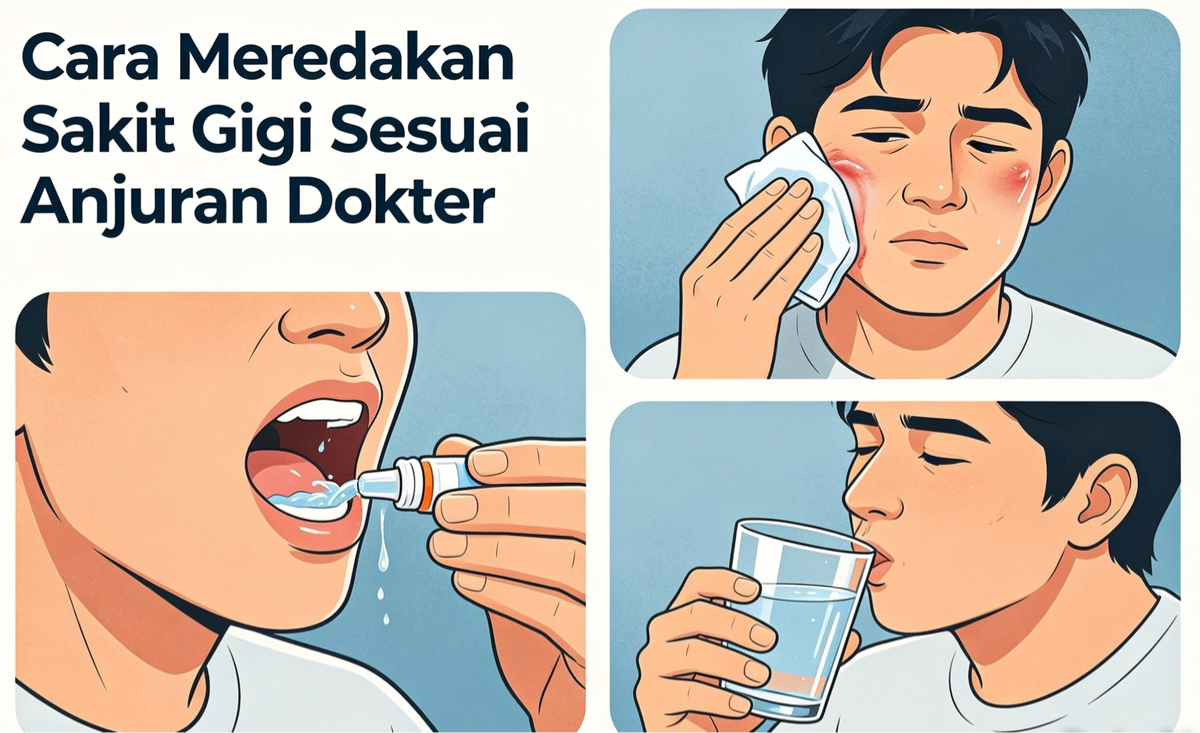
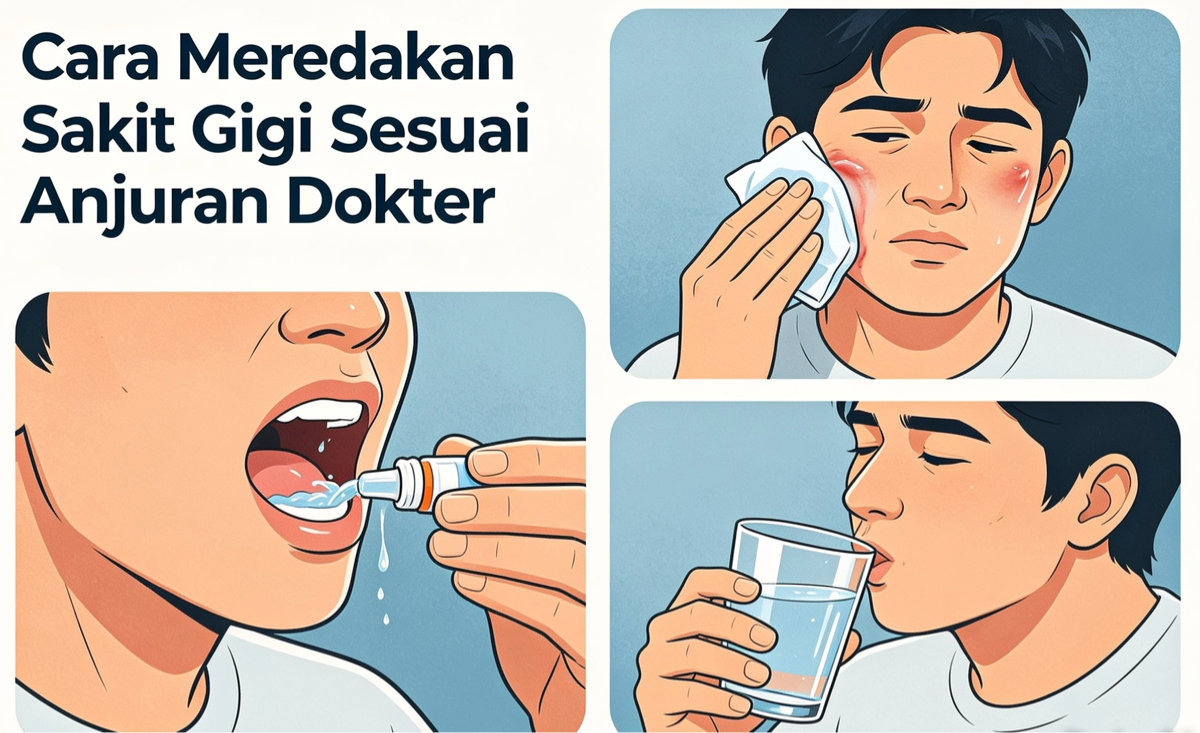
• Do a warm salt water gargle: dissolve half a teaspoon of salt in a glass of clean warm water. Gargle gently for 30 seconds then throw away. This helps clean the area, reduces mild swelling, and soothes gum tissue. Can be repeated 3-4 times a day.
2. Cold Compress to Reduce Pain and Swelling
Cold temperatures help constrict the blood vessels around the painful area, thereby reducing swelling and pain.
• Wrap the ice pack or ice cubes in a clean cloth or thin towel. Do not apply ice directly to the skin of your cheeks to avoid causing irritation or cold sores.
• Place it on your cheek in the same position as the painful tooth for 15–20 minutes. Give a break of 1–2 hours before doing it again.
• This method is most effective if the pain is accompanied by swelling or due to impact. If the pain is intense throbbing from inside the tooth, the effect may be limited but it is still safe.
3. Use safe and appropriate dosage of pain relievers
Dentists recommend using over-the-counter medications by paying attention to the rules of use and individual body conditions:
• Paracetamol: The safest choice to relieve mild to moderate pain, suitable for children, pregnant women or people who have stomach problems. The general adult dose is 500 mg–1000 mg, maximum 4000 mg a day.
• Ibuprofen: In addition to relieving pain, it also reduces inflammation and swelling. The general adult dose is 200–400 mg every 4–6 hours as needed. Warning: Avoid if you have a history of stomach ulcers, kidney problems, asthma, or are allergic to this drug. It is best to drink it after eating.
• Do not combine these types of medications without consulting a doctor or pharmacist, and do not exceed the dosage recommended on the package.
• Important taboo: Never place medication tablets, aspirin, or acids directly on the gums or teeth. This does not speed up the relief of pain, but instead causes chemical burns to the soft tissues of the mouth which adds new pain.
4. Adjust your body position when resting
When lying down, blood flow to the head increases, which can increase pressure on the tooth area and make the throbbing feeling stronger.
• When sleeping or lying down, prop your head higher using two or more pillows so that your head is higher than your heart. This helps reduce excessive blood flow to the face and jaw area.
5. Choose the Right Food and Drink
Avoid anything that can stimulate sensitive tooth nerves:
• Choose soft, room temperature or lukewarm foods: porridge, non-hot soup, hard-boiled eggs, pudding, or soft rice.
• Avoid food/drinks that are too hot, too cold, too sweet, too sour, or spicy. Also stay away from hard, sticky or crunchy foods that require force when chewing.
• Try to chew on the healthy side of your mouth so as not to add pressure to the affected tooth.
Chapter 3: Things to Avoid — Common Mistakes That Make Things Worse
There are many myths about how to treat toothache circulating, but doctors emphasize that the following things should not be done:
• Don’t pick holes in your teeth with sharp objects: Needles, pins, or toothpicks can injure deep tissue, expanding the damage, and bringing bad bacteria deeper inside.
• Don’t overuse alcoholic mouthwash: It can dry out and irritate sensitive oral tissues. Choose a type without alcohol if necessary.
• Don’t massage or press the painful area too hard: This will only increase inflammation and pain.
• Don’t rely on ingredients that are unclear about their safety: Applying ingredients that are not sterile or potentially irritating can cause new wounds and additional infections.
Chapter 4: Professional Medical Treatment — The Only Way to Total Cure
Home treatment only temporarily relieves the pain. Without proper treatment by a dentist, damage will continue, treatment costs will become more expensive, and the risk of tooth loss will increase. The following actions are usually taken by doctors according to the cause:
1. Examination and Diagnosis: The doctor will check the condition of the teeth, gums, and if necessary take x-rays to see how deep the damage is to the roots and supporting bones.
2. Filling: If a tooth has a cavity but the nerve has not been seriously affected, the damaged part of the tooth is cleaned and then covered with a safe and strong filling material.
3. Root Canal Treatment: If the nerve is inflamed or infected, the doctor will clean the root canal of the tooth from diseased tissue and bacteria, close the canal tightly, then correct the shape of the tooth. This method saves the tooth from needing to be extracted.
4. Gum Cleaning and Gum Care: If the problem comes from a buildup of plaque and tartar which causes sore and swollen gums.
5. Tooth extraction: This is done if the tooth is badly damaged, cannot be repaired, or the position of the wisdom tooth is disturbing and there is a risk of causing recurring problems.
6. Prescription Medication: The doctor may prescribe antibiotics if infection or pus has occurred, stronger anti-pain and inflammation drugs, and special mouthwash for tissue healing.
Chapter 5: How to Prevent Toothache From Recurring
Prevention is much easier, cheaper and more comfortable than cure. Dentists recommend the following habits to maintain long-term dental health:
• Regularly brush your teeth twice a day, in the morning after breakfast and at night before bed, using fluoride toothpaste.
• Clean between your teeth with dental floss at least once a day to remove food debris that the brush cannot reach.
• Limit consumption of sweet and sticky foods and drinks, especially between main meals.
• Check your teeth regularly every six months, even if they don’t feel painful. Early examination can catch small problems before they turn into severe pain and major damage.
• Stop smoking because it damages gum health and accelerates tooth decay, and maintains blood sugar levels for diabetes sufferers.
Cover
Toothache can be excruciating, but don’t let panic make you take the wrong steps. Remember the main principle of dental health experts: home care measures only help temporarily relieve the burden, and true healing can only be achieved by finding and treating the root of the problem directly in the hands of professional medical personnel.
By maintaining oral hygiene, implementing safe pain relief methods according to the guidelines above, and immediately consulting a dentist, you will not only be free from pain now, but also maintain the health of your smile and the comfort of your life for the long term. Don’t wait until the pain gets worse, act early for better dental and body health.