3 Benefits of Having Red and White Roses, Number 3 is Unexpected!!
7 min read
27
×
3 Benefits of Having Red and White Roses, Number 3 is Unexpected!!
Share this article
Hi everyone, Shalom Aleichem!
300x600
300x600
Good evening GanSist everyone!
Indonesia is not only rich in mountains, forests, seas and culture, but also has a gardening tradition that has long been a part of people’s lives. In various regions, home gardens are often decorated with ornamental plants which not only beautify the environment, but also become part of people’s cultural identity and living habits. One of the most popular ornamental plants is the rose.
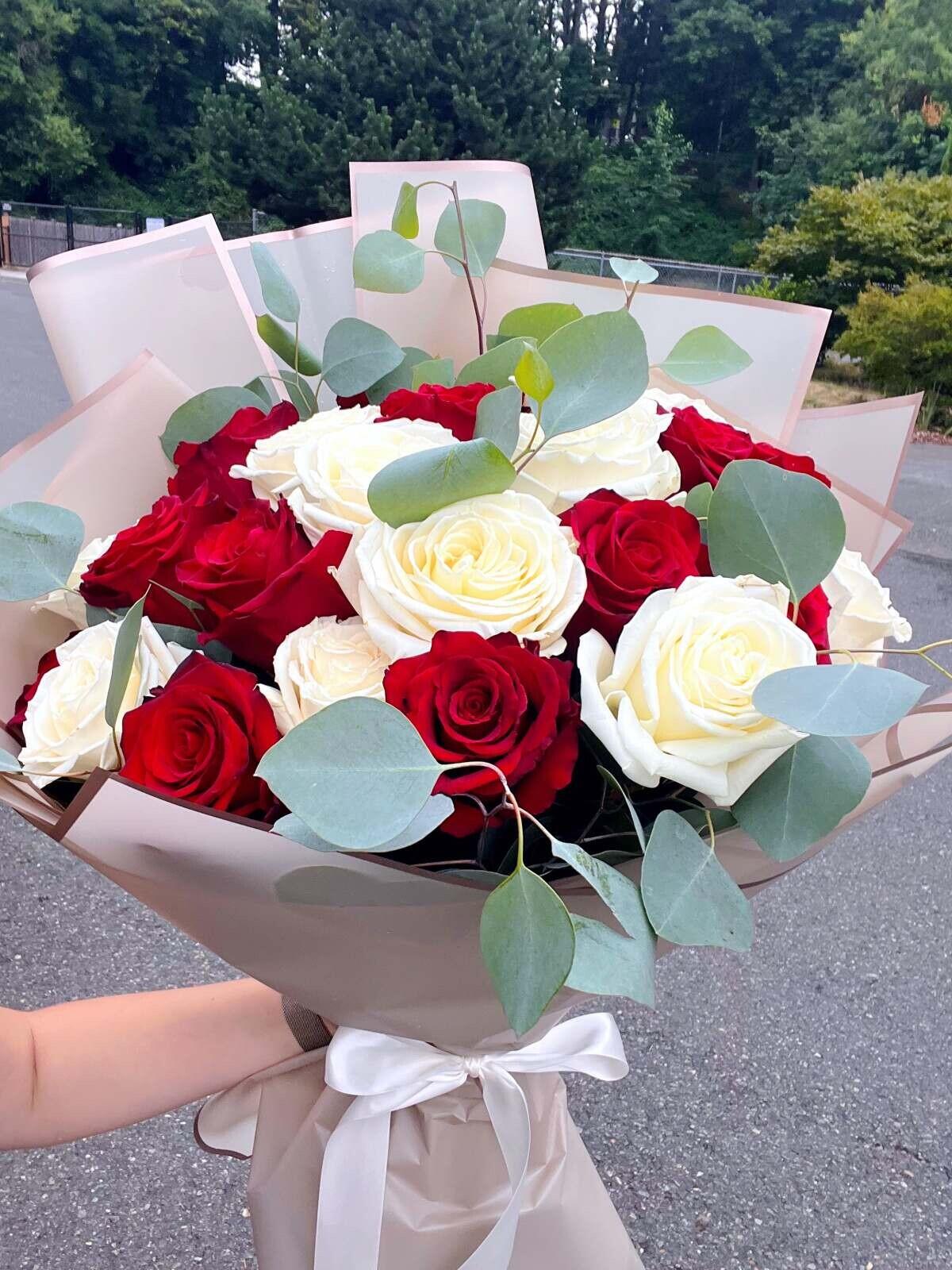
Roses have been cultivated in various regions of Indonesia, both in the highlands and lowlands with appropriate care. The flowers have a variety of colors, ranging from red, white, yellow, pink, to purple. However, among these various colors, red roses and white roses are the two types that are best known to the public.
In everyday life, red roses are often associated with affection, while white roses are synonymous with sincerity, peace or respect. However, if the two colors are planted side by side in the yard or garden, the meaning can be broader than just a romantic symbol.
It should be understood that the symbolic meaning of flowers is a religious teaching and is not scientific. Meanwhile, the ecological benefits of plants can be explained through science. Therefore, in this Nusantara Series thread, we will discuss 3 benefits of having red roses and white roses.
Quote:
1. Becomes a symbol of dualism which reminds us that humans need each other
In various cultures, the presence of two different colors is often interpreted as a symbol of balance. Red roses and white roses can be seen as a symbol that life consists of various pairs of circumstances that complement each other.
From a religious perspective, God says that it is not good for men to be alone, so men need equal helpers, namely women. In this context, the existence of two flowers with different colors can be used as a symbolic reminder that humans were created to live side by side, work together and complement each other.
The meaning of dualism is not limited to the relationship between men and women. Life also recognizes various other pairs of conditions, such as rich and poor, hot and cold, old and young, healthy and sick, light and dark, day and night. These differences are part of the reality of life that shapes human experience.
Of course, this meaning is a symbolic interpretation, not the biological nature of the rose itself. Roses do not “teach” these values scientifically, but humans can use their existence as a reminder of the importance of balance, cooperation and complementarity in life.
Quote:
2. Red and White Roses Together Symbolize Unity in Diversity
Indonesia stands on diversity. This nation has hundreds of different ethnic groups, regional languages, traditions, special foods and customs. However, all this diversity is united in the spirit of Bhinneka Tunggal Ika.
If red roses and white roses are planted side by side in the same garden, the appearance will actually be more attractive than if they only consist of one color. The difference in color does not eliminate each other’s beauty, but rather creates visual harmony.
Symbolically, this situation can be used as a reminder that differences are not a reason to be divided. On the other hand, differences can become strengths if they are directed towards complementing each other.
This value is very relevant for Indonesia. Diversity of ethnicity, religion, language and culture is a national wealth that needs to be protected. Unity does not mean that everyone has to be the same, but rather that they are able to live side by side with mutual respect.
In the world of social psychology, it is also known that cooperation between groups with shared goals can strengthen social relationships and reduce prejudice. Thus, the red and white rose symbol can be a simple medium to remind the importance of unity amidst the diversity of Indonesian society.
Quote:
3. Helps protect the environment and contributes to reducing global warming
This is a benefit that many people are often unaware of. Some people only pay attention to the beauty of roses, even though the most important part for the environment lies not in the flowers, but in the green leaves.
Green leaves contain chlorophyll which allows plants to carry out photosynthesis. In the process of photosynthesis, plants use sunlight energy to convert carbon dioxide and water into glucose and produce oxygen as a byproduct.
Because photosynthesis utilizes carbon dioxide from the atmosphere, all green plants, including roses, contribute to the earth’s carbon cycle. Even though one rose plant only absorbs a relatively small amount of carbon dioxide, if more people plant various types of green plants, the positive impact on the environment will be greater.
It is important to understand that it is not just roses that have these benefits. Almost all plants that have green leaves carry out photosynthesis and play a role in converting carbon dioxide into oxygen. Trees, bushes, fruit plants, vegetable plants, grass, other ornamental plants, and algae in the sea all contribute to the balance of the ecosystem.
Of course, planting roses alone won’t stop global climate change. Global warming is a complex problem that is also influenced by emissions from the energy, transportation, industrial, agricultural and land use sectors. However, increasing vegetation remains one of the concrete steps recommended in various climate change mitigation strategies.
Apart from helping to absorb carbon dioxide, plants also provide other benefits, such as helping to reduce the temperature of the surrounding environment through the transpiration process, providing habitat for pollinating insects such as bees and butterflies, and improving the aesthetic quality of the environment.
In the Indonesian context, the movement to plant plants in the yard can be part of efforts to maintain environmental quality. If implemented widely, this simple habit will help create more green space in residential areas.
Quote:
Roses as Part of a Healthier Environment
The existence of ornamental plants is often considered only as a complement to home decoration. In fact, various studies show that green space in the living environment is associated with increased comfort, local air quality, and people’s psychological well-being.
Roses are not large trees that can produce shade like raindrops or banyans. However, its existence still has ecological value as part of the yard vegetation.
Apart from that, roses can also attract pollinating insects which have an important role in maintaining ecosystem balance. The presence of bees, butterflies and various pollinating insects helps the reproduction process of many other types of plants in the environment.
Thus, planting roses not only provides visual beauty, but also becomes part of a healthier ecosystem when combined with various other plants.
Quote:
CLOSURE
Red roses and white roses are widely known for the beauty of their flowers. However, if you look deeper, these two flowers can also be a reminder of the values of life as well as the importance of protecting the environment.
Symbolically, both can remind people about the importance of balance and complementarity in life. Red and white roses growing side by side can also be interpreted as a symbol of unity in diversity, a value that is very in line with the spirit of the Indonesian nation.
Meanwhile, from a scientific point of view, roses are green leafy plants that carry out photosynthesis and contribute to absorbing carbon dioxide from the atmosphere. Even though the contribution of one plant is relatively small, the movement to plant various types of green plants remains a simple step that can support environmental preservation.
In the end, protecting Indonesia does not always have to be done through big actions. Planting and caring for plants in your yard, including red roses and white roses, is a simple habit that can beautify the environment while showing concern for the earth which is our common home.