Hi everyone, Shalom Aleichem!
300x600
300x600
Good afternoon GanSist everyone!
Indonesia is known as a country that has enormous natural, cultural and human resource wealth. However, the progress of a nation is not only determined by the abundance of natural resources, but also by the quality of the health of its young generation. Healthy children and teenagers will have greater opportunities to learn well, develop optimally, and later become human resources capable of leading Indonesia towards a better future.
In the previous series, the Nusantara Series discussed how traditional Indonesian food can play a role in supporting the Free Nutritious Meal (MBG) program. This time, the discussion is still related to the health of Indonesian children, but from a different perspective, namely the importance of health checks in the school environment. One examination that deserves greater attention is the hemoglobin (Hb) level test or anemia screening.
Hemoglobin is a protein found in red blood cells and is responsible for carrying oxygen to all body tissues. When hemoglobin levels are too low, a person experiences anemia. This condition is often considered trivial because the symptoms are not always striking. In fact, anemia can cause fatigue, decreased concentration in studying, reduced physical abilities, and interfere with the growth and development of teenagers, especially young women. WHO also emphasizes that anemia in adolescents is an important public health problem because it can hinder growth and development at a very crucial time.
Hemoglobin examination at school does not mean that every student will have anemia. The main goal is to find problems early, so that treatment can be done before the condition becomes more severe. In Indonesia itself, school health screening is increasingly being strengthened through the Free School Health Check (CKG) program, which includes examinations for anemia, nutritional status, dental health, mental health, as well as various other examinations according to age groups.
So, why is a hemoglobin test worthy of being a routine examination at school?
Quote:
1. Detect Anemia Before It Interferes with Learning Achievement
Many people think that children who appear sleepy in class, have difficulty concentrating, or get tired quickly are just because they haven’t had enough sleep. In fact, these complaints can also be caused by low hemoglobin levels.
Hemoglobin functions to transport oxygen throughout the body, including to the brain. If the amount of hemoglobin decreases, the oxygen supply to body tissues also decreases. As a result, students can feel tired quickly, lack focus, become sleepy easily, and experience a decrease in their ability to learn.
Interestingly, not all children with anemia appear pale. Some still appear active, so this condition is only discovered after a laboratory examination or examination using a hemoglobin measuring device.
This is the reason why Hb checking is much more effective than just relying on physical observation. By knowing the condition from the start, schools together with health workers can provide nutritional education, monitor student progress, or provide appropriate therapy if necessary. Early detection is always better than men
Wait for the symptoms to become severe.
Quote:
2. Helps prevent health problems in young women
The group most often of concern in hemoglobin screening is adolescent girls. This is not without reason. After entering the menstrual period, young women lose blood regularly every month so that iron requirements become higher than before.
If iron needs are not met through food, hemoglobin levels can decrease. Therefore, the government is also running a program to provide iron supplements for young women as a strategy to prevent anemia.
However, providing education and supplementation will be much more appropriate if supported by the results of a hemoglobin examination. In this way, health workers can find out who needs further follow-up.
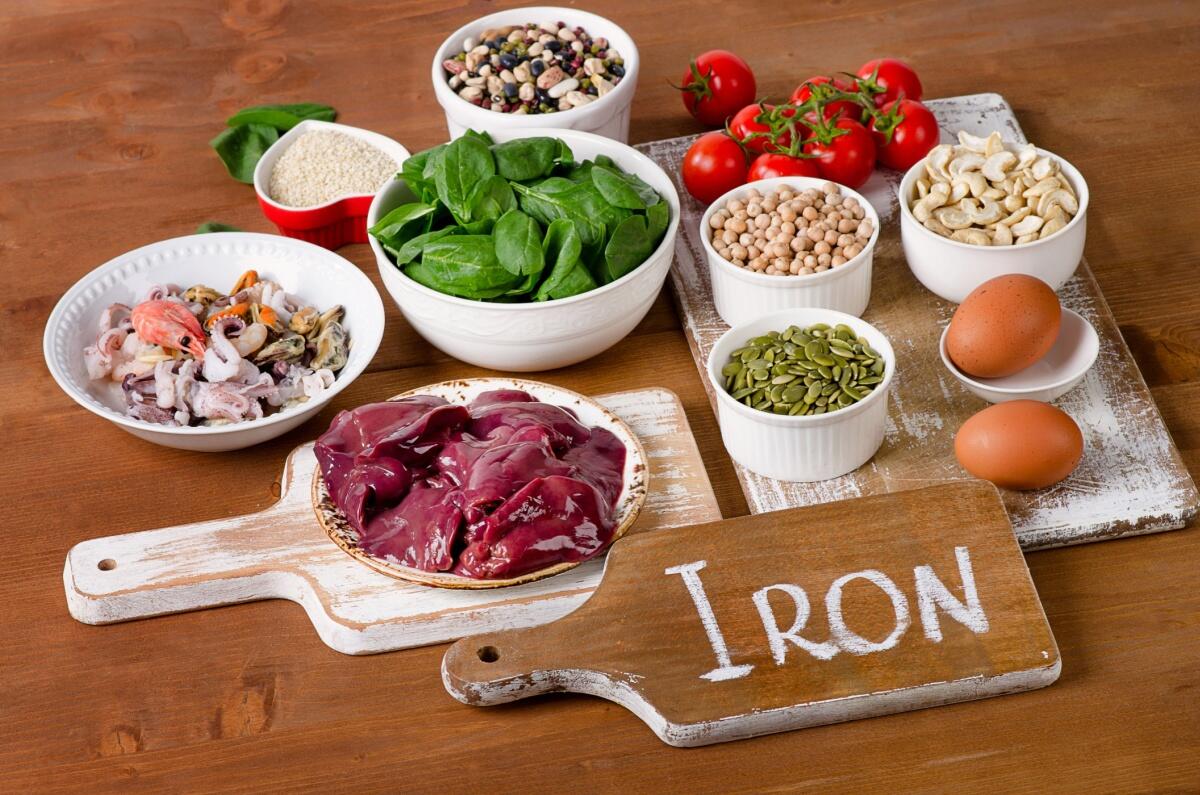
In various school health services, hemoglobin checks have even become part of adolescent health screening carried out by community health centers. This examination is usually followed by education regarding a nutritious diet, consumption of animal protein, green vegetables, nuts, and compliance with taking iron supplements as recommended.
Quote:
3. Becomes the basis for preparing school health programs
School is not just a place to learn mathematics, languages or natural sciences. School is also a very strategic place to build healthy living habits.
If student health data is available regularly, schools can develop programs that are more targeted. For example, if it is found that many students are anemic, schools can collaborate with community health centers to improve nutrition education, improve food choices in the canteen, strengthen the implementation of the MBG program, or improve student health monitoring.
On the other hand, if the majority of students have normal hemoglobin levels, the school will still benefit from basic data that can be used to evaluate student health from year to year.
In other words, Hb examination does not just produce numbers on a laboratory results sheet, but also becomes the basis for decision making in school health policies.
Quote:
Other Checks That Are Equally Important
Although the main discussion in this thread is the hemoglobin test, student health checks should not stop there. Health is a combination of many interrelated aspects.
First, check nutritional status. Measuring height, weight and body mass index helps detect whether a child is undernourished, overnourished or obese. This data is also important for evaluating the success of nutrition programs in schools.
Second, recording the menstrual cycle for young women. Information about menstrual patterns can help health workers recognize disorders that may require further examination, including if menstrual bleeding is very heavy which has the potential to increase the risk of anemia.
Third, health history. Chronic diseases, allergies, use of certain medications, or family history of illness can affect a student’s health condition. This data helps schools provide appropriate assistance in the event of an emergency.
Fourth, check dental hygiene and health. Cavities are often considered a minor problem, even though they can cause pain, eating disorders, and even disrupt the learning process. The School CKG program also includes dental examinations as an important part of student health services.
If all these examinations are carried out regularly and integrated, schools will get a more comprehensive picture of students’ health.
Quote:
CLOSURE
Indonesia is building a golden generation that is expected to be able to compete at the global level. This goal requires long-term investment, one of which is through the health of children and adolescents.
The hemoglobin test is a simple step, but the benefits are huge. This examination can detect anemia earlier, help protect the health of adolescent girls, and be the basis for developing more effective school health programs. However, Hb examination should not stand alone. Examination of nutritional status, menstrual cycle, medical history and dental hygiene also play an equally important role in creating a healthy school environment.
In the end, school is not only a place to produce academically intelligent students, but also a place to form a generation of Indonesians who are healthy, strong and ready to face future challenges. A great nation needs children who are not only good at thinking, but also grow up with optimal health conditions.
Quote:
SOURCE
Ministry of Health of the Republic of Indonesia. (2025). Free School Health Check (CKG).. https://ayosehat.kemkes.go.id/agenda…is-ckg-sekolah
World Health Organization. (2021). WHO guideline on school health services. Geneva: World Health Organization.
World Health Organization. (2025). Prevalence of anaemia among adolescents. Global Health Observatory.
Ministry of Health of the Republic of Indonesia. (2023). Guidelines for Health Services for School Age Children and Adolescents.
UPTD National Health Center. (2025). School Age Children’s Services.
Janti Health Center, Malang City. (2024). Hb Screening in Schools.
@vale79791@strangerfdotnet @jokingwet