5 Reasons Why the Teaching Profession is the Foundation of the Indonesian State
7 min read
28
×
5 Reasons Why the Teaching Profession is the Foundation of the Indonesian State
Share this article
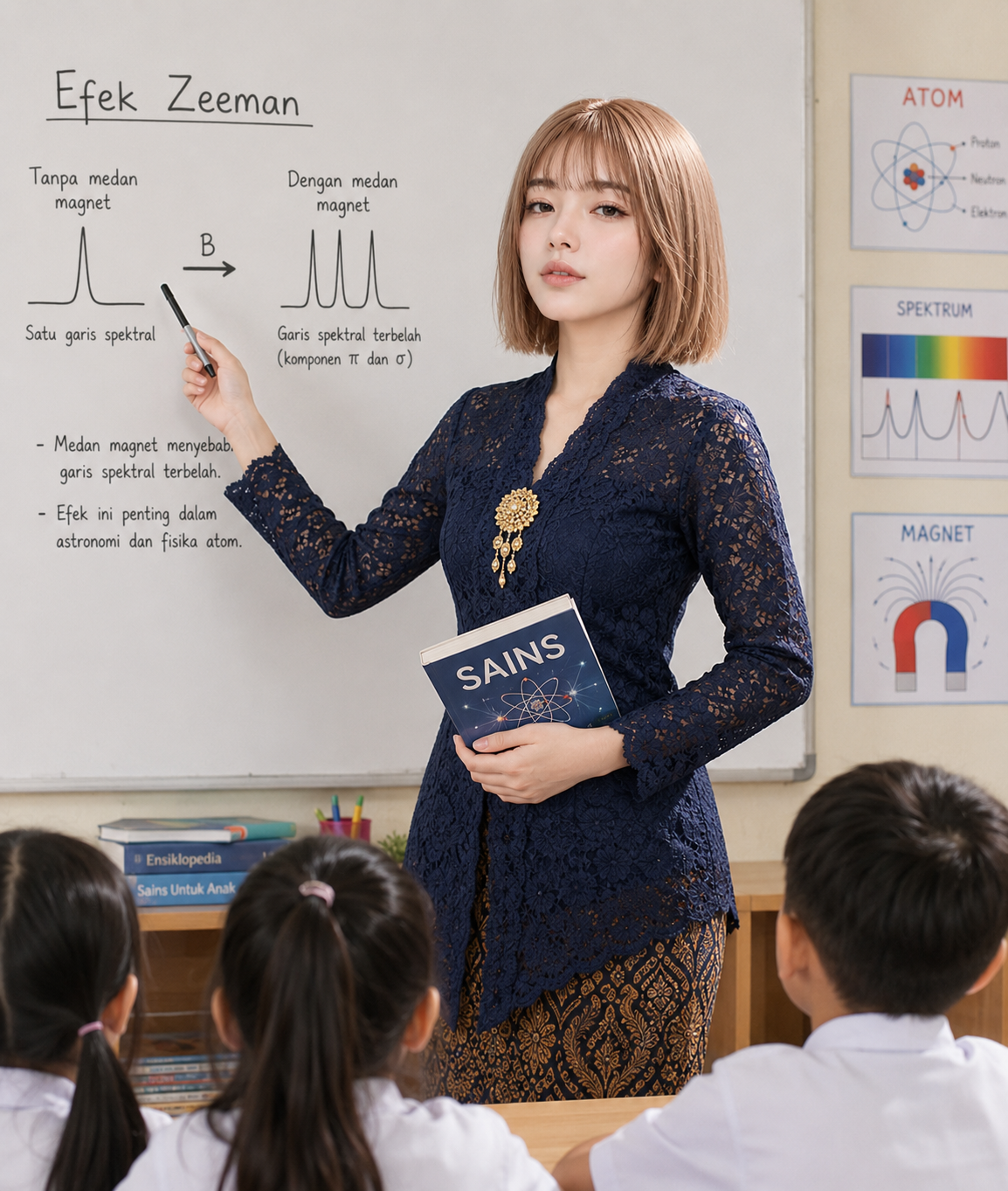
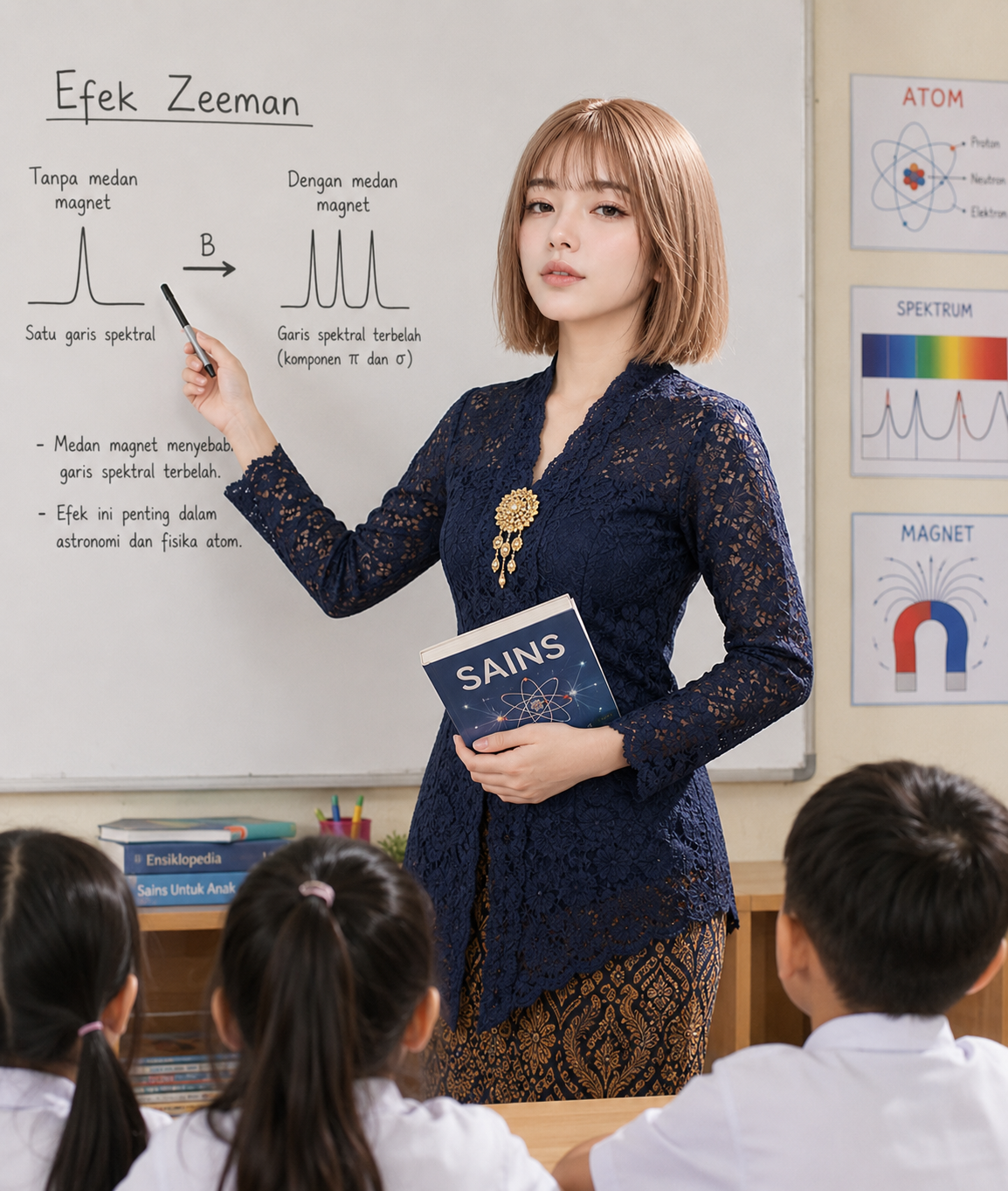
Image Source:Artificial Intelligence
Hi everyone, Shalom Aleichem!
300x600
300x600
Good afternoon GanSist everyone!
Indonesia was built on many pillars. There is abundant natural wealth, extraordinary cultural diversity, a spirit of mutual cooperation that is still alive in various regions, as well as the aspiration to create a just and prosperous society. In previous series in the Nusantara Series, discussions have highlighted various aspects that shape Indonesia, starting from traditional culinary delights that support community nutrition to the importance of student health checks at school. All of this ultimately comes down to one goal, namely creating superior human resources.
However, behind every quality human resource, there is always a figure who plays a role in guiding the learning process. This figure is a teacher.
It is no exaggeration to say that almost all important professions in Indonesia started in the classroom. Doctors, midwives, nurses, engineers, judges, prosecutors, police, soldiers, pilots, scientists, entrepreneurs, politicians, ministers, presidents, even the next generation of teachers, have all been students who gained knowledge from a teacher. For this reason, the teaching profession is often referred to as one of the main foundations of a nation.
Of course, a person’s success is not only determined by the teacher. The role of family, environment, willingness to learn, and opportunity is also very large. However, teachers are an element that is almost always present in the educational journey of every citizen.
Then, why can the teaching profession be called the foundation of the Indonesian state?
Quote:
1. All professions begin with the education provided by teachers
There is no doctor who is immediately able to perform medical procedures without having studied at school. No pilot can fly a plane without understanding the basics of mathematics and physics. No engineer can design a bridge without mastering the knowledge obtained through the educational process.
Likewise with other professions. Before someone becomes a researcher, judge, architect, programmer, modern farmer, or state leader, they first learn basic skills such as reading, writing, arithmetic, logical thinking, and working together. All these abilities are taught gradually by the teacher.
In other words, teachers don’t just teach subjects. They help build the foundation of knowledge that is the prerequisite for the birth of various other professions. Without this foundation, further education cannot run well.
This is why the teaching profession has such a widespread impact. A teacher may teach dozens of students each year, but his influence can reach thousands through the work and service of his students in the future.
Quote:
2. Teachers Shape Personality, Not Just Convey Knowledge
People often view teachers’ duties as merely explaining lesson material. In fact, education has a much broader goal.
According to Law Number 20 of 2003 concerning the National Education System, education aims to develop the potential of students to become people who are faithful, devout, have noble character, healthy, knowledgeable, capable, creative, independent, democratic and responsible.
This means that teachers not only play a role in improving academic abilities, but also help shape students’ personalities. Discipline, honesty, responsibility, cooperation, respect for others, and concern for the environment are values that are instilled through the daily education process.
Of course, personality formation is also influenced by family and social environment. However, school is one of the main places where children learn to live with other people from different backgrounds. This is where teachers have an important role as guides and role models.
Quote:
3. Teachers become a link between generations of knowledge
Human civilization develops because knowledge is passed on from one generation to the next. If the inheritance process stops, a lot of knowledge will be lost.
Teachers have a role as a liaison between generations. They study the knowledge gained from previous educators, then convey it to students in a way that is more appropriate to current developments.
In Indonesia, this role is very important because the country has diverse cultures, languages and geographical conditions. Teachers not only teach modern science, but also introduce national history, Pancasila values, regional culture, Indonesian language, and the importance of maintaining unity in diversity.
In this way, teachers help ensure that knowledge, cultural values and national identity remain alive amidst rapid changes.
Quote:
4. Teachers Contribute to Economic Progress and National Development
The progress of a country not only depends on natural wealth, but also on the quality of its human resources. Various studies show that good education is associated with increased labor productivity, economic growth and social welfare.
Teachers are an important part of the process because they help improve the quality of education. When students receive a good education, their chances of continuing higher education, getting a decent job, or even creating new jobs are greater.
The impact doesn’t stop with one person. People who have a better level of education tend to adapt more easily to technological developments, are better able to innovate, and have a higher capacity to face various development challenges.
Therefore, investment in the teaching profession is actually a long-term investment for Indonesia’s development.
Quote:
5. Teachers Prepare Indonesian Leaders in the Future
Every national leader has attended school. Presidents, ministers, governors, regents, village heads and leaders of national companies have all learned from teachers.
Teachers do not determine each student’s life choices. Family factors, environment, experience and personal effort still have a big influence. However, teachers help build critical thinking skills, communication skills, discipline, and study habits that are needed by a leader.
More than that, teachers also help instill the value of social responsibility. A leader who understands the importance of integrity, respects knowledge, and is able to make decisions based on careful consideration is usually formed through a good educational process.
For this reason, the quality of teachers today will influence the quality of Indonesia’s leaders in the future.
Quote:
Appreciating Teachers Doesn’t Mean Considering Them Perfect
Recognizing the importance of the teaching profession does not mean assuming that all teachers are always right or never make mistakes. Teachers are also humans who continue to learn and develop.
A good education system actually provides opportunities for teachers to improve competence through training, continuing education, and objective evaluation. In this way, the quality of learning can continue to improve according to the needs of the times.
On the other hand, society also needs to give proper respect to the teaching profession. This award is not only in the form of moral respect, but also through support for improving the quality of education, providing adequate learning facilities, and policies that support the welfare of teaching staff.
Quote:
CLOSURE
Indonesia needs competent doctors, creative engineers, innovative farmers, productive scientists, professional soldiers, law enforcement officers with integrity, and leaders full of wisdom. However, before all these professions appear, there is always an educational process which is the starting point of their journey.
In this process the teacher plays a very important role. Teachers help build a foundation of knowledge, shape personalities, pass on knowledge between generations, support national development, and help prepare Indonesia’s future leaders.
Therefore, referring to teachers as one of the foundations of the Indonesian state is not just an expression of respect. This statement has a strong basis. A building of any size requires a solid foundation to be able to survive in the long term. Likewise a country. Indonesia needs quality teachers to be able to give birth to a generation that is healthy, has character, is intelligent, and is ready to lead this nation towards a better future.
Quote:
SOURCE
Ministry of Education, Culture, Research and Technology of the Republic of Indonesia. (2022). Merdeka Belajar: Transforming Indonesian Education. Jakarta: Ministry of Education and Culture.
Organisation for Economic Co-operation and Development. (2019). Teaching and Learning International Survey (TALIS) 2018 Results (Volume I): Teachers and School Leaders as Lifelong Learners. OECD Publishing.
Organisation for Economic Co-operation and Development. (2023). PISA 2022 Results (Volume I): The State of Learning and Equity in Education. OECD Publishing.
Republic of Indonesia. (2003). Law Number 20 of 2003 concerning the National Education System. Jakarta: State Secretariat of the Republic of Indonesia.
Republic of Indonesia. (2005). Law Number 14 of 2005 concerning Teachers and Lecturers. Jakarta: State Secretariat of the Republic of Indonesia.
UNESCO. (2024). Global Education Monitoring Report 2024/25. Paris: UNESCO.