Hi everyone, Shalom Aleichem!
Good afternoon GanSist everyone!
Welcome back to the Nusantara Series, a series that invites us to explore Indonesia’s riches through culture, culinary delights, tourist attractions, history, and various local wisdom spread from Sabang to Merauke. In the previous series we enjoyed the beauty of Derawan Island which is famous as one of Indonesia’s underwater paradises. This time, our journey returns to the island of Sumatra, specifically to the city of Padang in West Sumatra Province, to get to know one of the cultural works that is still developing, namely Batik Padang.
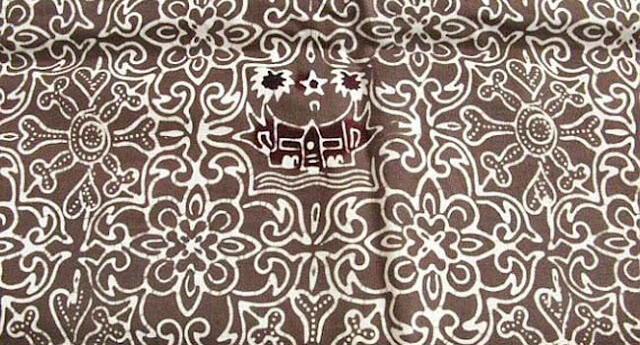
When they hear the word batik, most people probably immediately think of batik from Yogyakarta, Solo, Pekalongan, Cirebon or Lasem. In fact, almost every region in Indonesia now has its own batik identity, including West Sumatra. Batik Padang exists as a form of creativity of the Minangkabau people in combining typical Indonesian batik techniques with symbols of Minang culture which is rich in philosophy.
The existence of Padang Batik shows that batik is not a culture that stopped developing after being recognized by UNESCO as an Intangible Cultural Heritage in 2009. On the contrary, batik continues to adapt to the local identity of each region without losing the basic techniques for making it.
So, what are the unique facts about Padang Batik?
Quote:
1. The motif is inspired by the rich culture of Minangkabau
The first fact that makes Batik Padang different is the source of its inspiration.
In contrast to Javanese batik, which uses many symbols of the palace or Javanese nature, Padang Batik takes inspiration from various elements of Minangkabau culture. Motifs that are often found include Rumah Gadang, Rangkiang (traditional rice barn), Jam Gadang, ducks returning to Patang, pucuak rabuang, siriah in carano, and various Minangkabau carvings.
Each of these motifs is not just decoration. For example, the pucuak rabuang motif symbolizes growth, learning, and the hope that humans will continue to develop into useful individuals. Meanwhile, the motif of ducks returning to patang depicts togetherness, order and cooperation, inspired by the habit of ducks returning to their cages regularly at dusk.
Thus, Batik Padang is not only visually beautiful, but also preserves the cultural values inherited by the Minangkabau community.
Quote:
2. The colors tend to be bright and bold
The next uniqueness lies in the choice of color.
If some classic Javanese batik is synonymous with sogan colors such as brown, black and cream, Padang Batik actually uses many brighter colors, such as red, golden yellow, emerald green, orange, blue and purple.
This color choice reflects the expressive and dynamic character of Minangkabau art. In various forms of Minang art, the use of bright colors is quite common, both in traditional clothing, Rumah Gadang carvings, and traditional ceremonial equipment.
However, the current development of Batik Padang also follows modern fashion trends. Many craftsmen are starting to combine traditional colors with softer shades to suit the increasingly diverse tastes of the market.
Quote:
3. Combining batik techniques with local decorative arts
The third uniqueness lies in the creation process.
Technically, Batik Padang still uses the basic principles of batik, namely using wax (batik wax) as a color barrier, then going through a gradual dyeing or coloring process. This technique is the main characteristic of Indonesian batik.
However, what is different is the variety of decoration applied to the fabric. The craftsmen adapted the Minangkabau wood carving motifs which are famous for being complicated and full of curves into the medium of batik cloth. This requires a lot of creativity because not all carving patterns can be directly applied using a canting or batik stamp.
The combination of batik techniques and traditional carving is what makes Batik Padang have a distinctive visual identity while still respecting the roots of Minangkabau culture.
Quote:
4. Become a symbol of people’s love for Minangkabau culture
This is the fact that best fits the title of the thread.
Padang Batik is not just a textile product, but also a symbol of people’s love for their regional culture. In the midst of the rapid flow of globalization and the influx of various fashion products from abroad, the presence of Batik Padang is one way to introduce Minangkabau identity to the younger generation and the international community.
When someone wears Padang Batik with the Rumah Gadang or pucuak rabuang motif, they are indirectly carrying a story about the philosophy and rich culture of West Sumatra. This cloth is a medium for cultural communication that can be worn on various occasions, both official events and daily activities.
For this reason, more and more people feel proud to wear Padang Batik. Not only because it looks attractive, but also because each motif contains a meaning that reflects the life values of the Minangkabau people.
Quote:
5. Continue to develop with the times without losing identity
The last fact shows that Padang Batik is a culture that continues to live.
Nowadays, Padang Batik is no longer only made in the form of long cloth or traditional clothing. Various creative business actors have developed this batik into shirts, blouses, dresses, bags, scarves, wallets and other fashion accessories.
This development has made Batik Padang increasingly known to the wider community. Apart from increasing economic value for local craftsmen, this innovation also helps maintain the sustainability of cultural heritage.
Even though they follow the development of modern design, craftsmen still try to maintain the characteristics of Minangkabau motifs so that their cultural identity is not lost. Thus, Batik Padang is an example of how traditions can develop without having to abandon their historical roots.
Quote:
CLOSURE
Padang Batik is proof that Indonesian culture is always developing dynamically. By highlighting the Minangkabau philosophy through typical motifs such as Rumah Gadang, pucuak rabuang, Itik returning patang, and various other traditional decorations, Batik Padang has succeeded in presenting a different identity compared to batik from other regions.
The uniqueness of the motifs, the use of bold colors, the combination of batik techniques with carving art, its role as a symbol of love for Minangkabau culture, and its ability to adapt to current developments show that Padang Batik has high cultural value as well as economic value.
Through the Nusantara Series, we again realize that each region in Indonesia has its own way of expressing its cultural identity. Batik does not only belong to one region, but is a national heritage that continues to develop through the creativity of people in various parts of the archipelago.
Hopefully more and more young people will know, use and preserve Padang Batik and batik from other regions. Because, every piece of batik cloth not only holds visual beauty, but also records history, philosophy and local wisdom that has been passed down from generation to generation. Protecting batik means preserving one of Indonesia’s cultural identities that is recognized worldwide.
Quote:
SOURCE
West Sumatra Region III Cultural Preservation Center. (2023). Minangkabau Decorative Variety and Its Development in Traditional Art. Ministry of Culture of the Republic of Indonesia.
West Sumatra Province Cultural Service. (2022). Minangkabau Batik as Regional Cultural Identity. West Sumatra Provincial Government.
Ministry of Education, Culture, Research and Technology of the Republic of Indonesia. (2023). Indonesia’s Intangible Cultural Heritage and the Development of Indonesian Batik. Jakarta: Ministry of Education and Culture.
UNESCO. (2009). Indonesian Batik: Representative List of the Intangible Cultural Heritage of Humanity. UNESCO.
Yuliarma, Y. (2016). The Art of Embroidery Design: Indonesia’s Traditional Motifs and Patterns. Jakarta: Gramedia Popular Literature.
@salamsehaat@strangerfdotnet @jokingwet