Hi everyone, Shalom Aleichem!
Good evening GanSist everyone! 
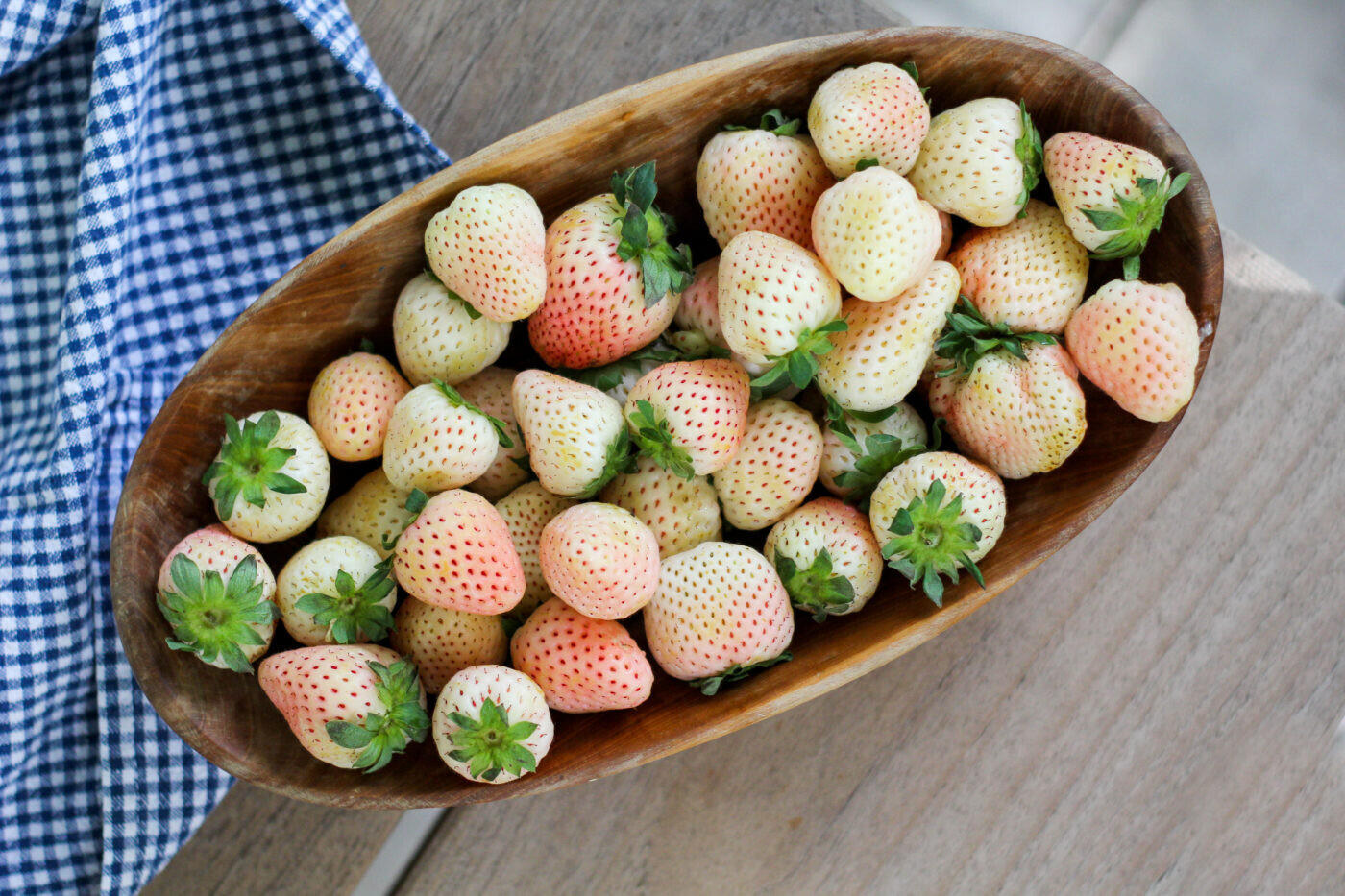
For many people, strawberries are synonymous with a bright red color that attracts attention. However, not all strawberries have this appearance. One variety that is quite unique is pineberrynamely white to pale cream colored strawberries with striking red seeds. At first glance, this fruit looks like an immature strawberry. In fact, pineberries are a variety that naturally have a pale color when they are ripe.
The name pineberry comes from a combination of words pineapple And berry. This nickname arose because some people feel that the aroma and taste of this fruit is the same as pineapple, even though botanically this fruit still belongs to the strawberry group (Fragaria × pineapple). The unique color of pineberries comes from the low content of anthocyanin pigments, namely compounds that usually give conventional strawberries their red color.
Even though the anthocyanin content is much lower than red strawberries, this does not mean that pineberries are poor in nutrition. On the other hand, research shows that various types of strawberries, including white strawberries, still contain vitamins, minerals, fiber and bioactive compounds that have the potential to provide health benefits to the body. Therefore, pineberries deserve to be seen as not just an exotic fruit, but also as an interesting source of nutrition for consumption.
Here are 5 benefits of pineberries that are good for health.
Quote:
1. Helps meet vitamin C needs
One of the main advantages of the strawberry fruit group is its fairly high vitamin C content. This vitamin is an important nutrient that plays a role in various biological processes, from forming collagen, maintaining healthy skin, to supporting immune system function.
Various studies show that strawberries are a good source of vitamin C. The vitamin C content in strawberries can vary depending on the variety, cultivation conditions, level of maturity, and storage method. However, in general, strawberries are known as a fruit that is rich in this vitamin.
Vitamin C functions as an antioxidant that helps protect body cells from damage caused by free radicals. Apart from that, this vitamin also supports the wound healing process, strengthens gum tissue, helps absorb iron, and plays a role in maintaining the body’s resistance to various infections. Because pineberries still belong to the strawberry family, this fruit can also be an option to help meet daily vitamin C needs.
In a balanced diet, consuming fruits rich in vitamin C can help maintain overall body health. Therefore, pineberries can be an attractive alternative for those who want to get the benefits of vitamin C from natural sources.
Quote:
2. Provides various antioxidant compounds
When discussing the benefits of berries, the term antioxidant almost always comes up. Antioxidants are compounds that can help neutralize free radicals, namely unstable molecules that can damage cells and body tissues.
It is true that pineberries have a much lower anthocyanin content than red strawberries. However, anthocyanins are not the only antioxidants found in strawberries. Research on the chemical composition of strawberries shows the presence of various other bioactive compounds, such as polyphenols, flavonoids, vitamin C, and several organic acids which also act as antioxidants.
The presence of these compounds helps the body deal with oxidative stress. Oxidative stress is a condition when the number of free radicals is greater than the body’s ability to neutralize them. In the long term, this condition is associated with premature aging and an increased risk of various chronic diseases.
Thus, even though the white color indicates low levels of red pigment, pineberries still have antioxidant potential that is beneficial for health. These advantages are what keep this fruit attractive from a nutritional point of view.
Quote:
3. Supports Immune System Health
The immune system is the body’s natural defense against various threats, such as viruses, bacteria and other microorganisms. To work optimally, the immune system needs an adequate supply of nutrients.
Vitamin C contained in strawberries is known to have an important role in supporting immune function. This nutrient helps the activity of various immune cells and contributes to the body’s protection from infection. Additionally, its antioxidant properties help protect immune cells from damage caused by free radicals.
Apart from vitamin C, strawberries also contain various phytochemical compounds that have the potential to support general body health. The combination of vitamins, minerals and antioxidants makes pineberries a fruit that can be included in a healthy diet.
It should be understood that there is no one type of food that can magically increase immunity instantly. However, consuming nutritious fruit as part of a balanced diet is an important step to help keep the body’s defense system working well.
Quote:
4. Has the potential to maintain heart health
Cardiovascular disease is still one of the main causes of health problems in various countries. Because of this, many studies have attempted to identify foods that can help maintain heart health.
Strawberries have long been of interest to researchers because of their fiber, vitamin and polyphenolic compound content. These various bioactive components are known to be associated with positive effects on vascular health and cardiovascular function in general.
Polyphenols and antioxidants help reduce the impact of oxidative stress which can affect blood vessel health. Meanwhile, the fiber content in berries contributes to a healthier diet and can help maintain the body’s metabolic profile.
Because pineberries are still in the strawberry group, this fruit has the potential to provide similar benefits. Although specific research on pineberries is still more limited than on red strawberries, the presence of various nutrients and bioactive compounds in them shows that this fruit can be part of a diet that supports heart health.
Of course, these benefits will be more optimal if accompanied by a healthy lifestyle, such as regular exercise, enough sleep, and good stress management.
Quote:
5. Helps maintain digestive health
The health of the digestive tract is an important basis for overall body health. One factor that plays a big role in maintaining digestive function is adequate fiber intake.
Like other strawberry varieties, pineberries contain dietary fiber which can help support the normal function of the digestive system. Fiber helps facilitate bowel movements and supports the balance of the intestinal microbiota. Apart from that, consuming fruit that is rich in fiber generally provides a feeling of fullness for longer so it can help regulate daily eating patterns.
A diet rich in fruit and vegetables has long been associated with better digestive health. Therefore, including pineberries in your daily menu can be a way to increase the variety of fiber sources while getting various other important nutrients.
Apart from fiber, the vitamins and bioactive compounds in pineberries can also support general body health. This combination makes the fruit not only visually attractive, but also nutritionally healthy.
Quote:
CLOSURE
Pineberries may not be as popular as red strawberries on the market, but this fruit has characteristics that are no less interesting. The pale white color does indicate a lower anthocyanin content, but this does not mean that pineberries have lost their nutritional value.
As a member of the strawberry family, pineberries still contain various important components such as vitamin C, fiber, polyphenols and other antioxidant compounds. Thanks to these contents, pineberries have the potential to help meet vitamin C needs, provide antioxidants, support the immune system, maintain heart health, and help maintain digestive function.
Ultimately, the health benefits of pineberries will be optimal if consumed as part of a varied and balanced diet. The presence of this unique fruit also shows that the color of a fruit does not always determine its nutritional quality. Sometimes, behind its simple appearance, there are various benefits that are worth paying attention to.
Quote:
SOURCE
Newerli-Guz, J., Śmiechowska, M., Drzewiecka, A., & Tylingo, R. (2023). Bioactive ingredients with health-promoting properties of strawberry fruit (Fragaria × ananassa Duchesne). Molecules, 28(6)2711.
Wang, X., Wu, L., Qiu, J., Qian, Y., & Wang, M. (2023). Comparative metabolomic analysis of the nutritional aspects from ten cultivars of the strawberry fruit. Foods, 12(6)1153.
Satria, D., & Tarigan, RE (2015). Analysis of vitamin C content in strawberries (Fragaria x ananassa Duschesne) using ultraviolet (UV) spectrophotometry. Pharmanesia Journal, 2(1). Obtained from: https://e-journal.sari-mutiara.ac.id…ticle/view/263
PubMed. (2023). Bioactive ingredients with health-promoting properties of strawberry fruit (Fragaria × ananassa Duchesne). National Library of Medicine. Obtained from: https://pubmed.ncbi.nlm.nih.gov/36985683/
@jokingwet@sahabat.006 @kakekane.cell