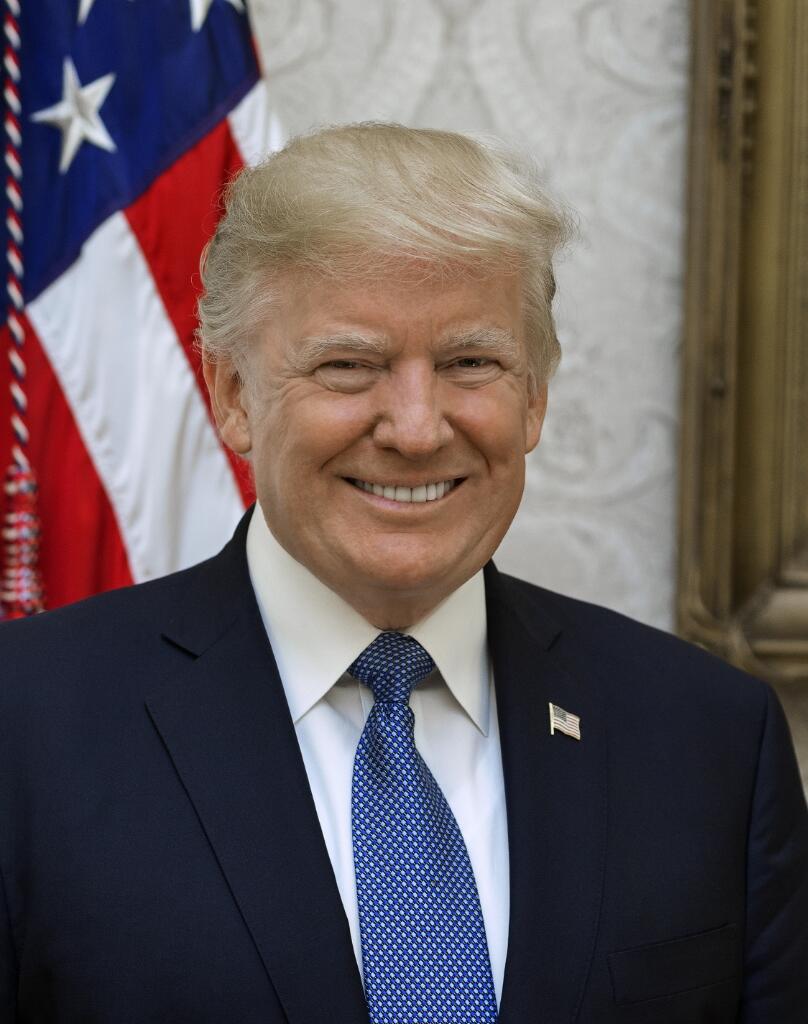
Washington, D.C. – The administration of U.S. President Donald Trump has once again taken a firm stance on international trade policy by introducing new import tariffs ranging from 10 percent to 12.5 percent on goods entering the United States from approximately 60 trading partner countries.
The policy was announced as part of the U.S. government’s strategy to strengthen oversight of global supply chains, particularly regarding allegations of forced labor in the production process in several countries. According to the administration, the measure is also intended to encourage trading partners to improve their trade standards and strengthen the enforcement of laws against practices considered unfair.
According to the U.S. government, countries that have established regulations banning imports produced with forced labor but are considered to have implemented those regulations ineffectively will be subject to a 10 percent tariff. Meanwhile, countries that have not adopted or enforced similar measures may face a 12.5 percent tariff.
The policy covers more than 99 percent of the total value of U.S. importsmeaning its impact is expected to be felt by exporters across many regions of the world. However, the U.S. government has provided exemptions for certain strategic products, including selected energy commodities, fertilizers, and other goods considered essential to domestic needs.
The Office of the United States Trade Representative explained that the new tariffs are not intended solely to increase government revenue but also to serve as a policy tool aimed at encouraging changes in global trade practices. The administration hopes that trading partners will strengthen oversight of imported goods so that products made through forced labor no longer enter international markets.
The policy has received mixed reactions from governments around the world. Several countries have expressed concern, arguing that the tariffs were imposed unilaterally and could disrupt long-standing trade relationships. Some governments have also indicated that they may consider diplomatic responses or adopt their own trade measures in retaliation.
Businesses have also begun assessing the financial impact of the new tariffs. U.S. importers are expected to pay additional costs when importing goods from countries affected by the policy. As a result, companies that continue to rely on foreign raw materials or components could face higher production costs.
Many economists argue that import tariffs often increase costs for importers, which may eventually be passed on to consumers through higher retail prices. Supporters of the policy, however, believe the measure could encourage companies to relocate supply chains to countries that meet U.S. trade standards or expand domestic manufacturing within the United States.
The latest tariff policy continues Donald Trump’s long-standing trade approach, which has emphasized protecting American industries since his first term in office. The administration maintains that U.S. trade policy should benefit American workers and businesses while promoting what it considers fairer competition in the global marketplace.
Nevertheless, several analysts have warned that large-scale tariff measures could create uncertainty in international markets. Countries affected by the policy may seek alternative export markets or impose retaliatory tariffs on U.S. products, potentially influencing global trade flows.
Investors are also closely monitoring the development of the policy, as changes in tariffs could affect exchange rates, logistics costs, and the outlook for international trade. Manufacturing, automotive, textile, electronics, and other industries with cross-border supply chains are expected to be among the sectors most affected by the implementation of the new measures.
The U.S. government stated that it will continue evaluating the effectiveness of the policy. Countries that improve their trade systems and strengthen enforcement against forced labor may qualify for more favorable tariff treatment in the future, while those that fail to make progress could face additional trade actions under U.S. law.
With the introduction of import tariffs ranging from 10 percent to 12.5 percentU.S. trade policy has once again become a major focus of global attention. Many observers believe the move will influence international trade relations in the coming years and could become one of the most significant economic policies of Donald Trump’s administration.